Australia had a standout year in 2025 when it comes to solar and battery installations, and it’s no secret why.
Across multiple states, thousands of households made the move to home solar and battery systems, taking advantage of government support and the growing need to reduce electricity bills with clean energy.
How many installations are we talking about?
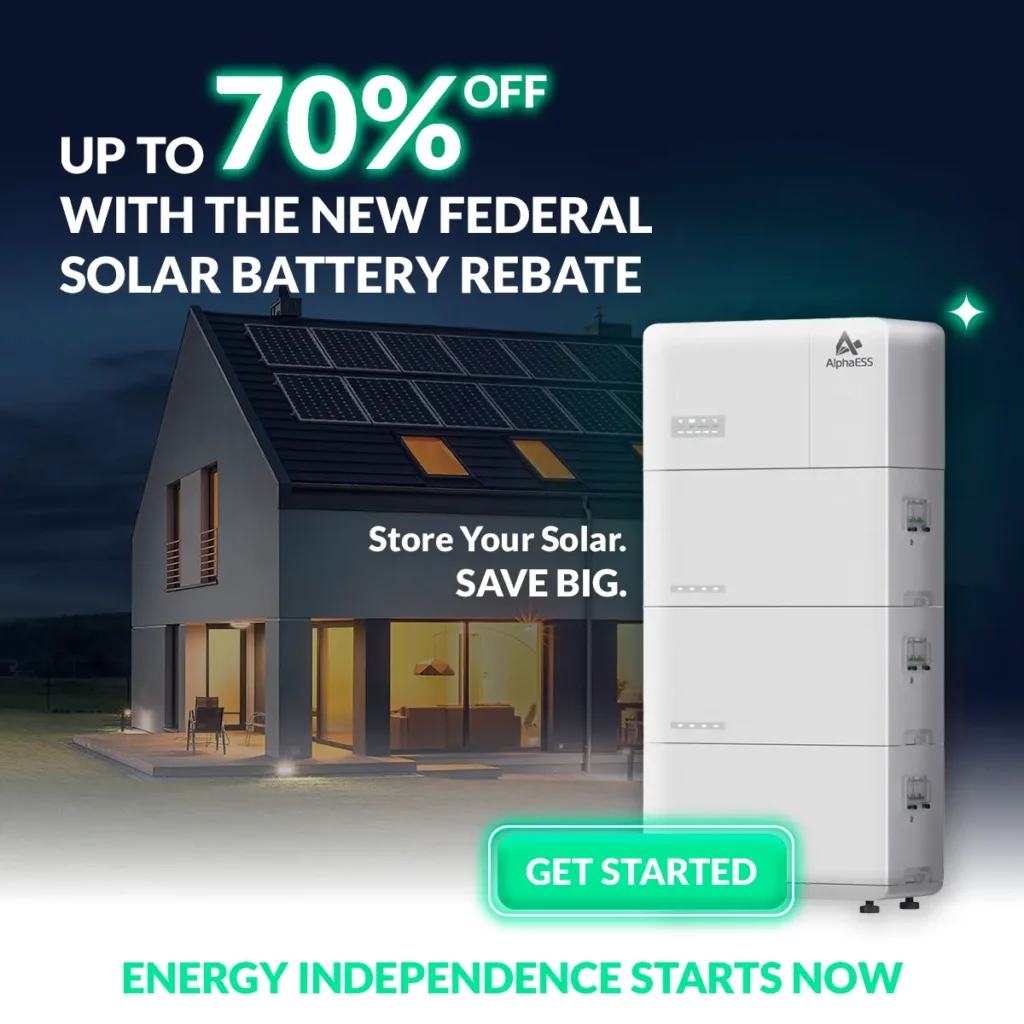
A key moment came on 1 July, when the Cheaper Home Batteries Program officially launched. From day one, the program offered around a 30% upfront discount on eligible small-scale batteries (5–100 kWh) through the Small-scale Renewable Energy Scheme (SRES), along with additional solar rebates for households installing solar panels.
The impact was immediate
📊 In July alone, nearly 19,600 new solar PV systems were installed nationwide, with an average battery size of 18.2 kWh.
By the end of August, more than 43,500 residential solar battery units had already been installed in just two months, almost matching the entire 2024 total of 45,200 units.
If these numbers are new to you, you may be missing a major opportunity, and this goes well beyond companies like Glower offering products or services.
Ask yourself this:
If this transition were only about selling, would the Australian Government be investing so heavily in solar rebates, research, clean energy infrastructure and nationwide incentive programs?
That’s exactly why we don’t want you to miss the chance to install a complete solar and battery system at a significantly reduced cost, with strong government support.
⚠️ Please read this carefully
From 1 May 2026, the Cheaper Home Batteries Program will begin to change.
Government support will gradually reduce, and while the first adjustment hasn’t been fully detailed yet, it’s already confirmed that every six months the rebates will be reviewed and reduced. This means that waiting could make installing a solar and battery system more expensive over time.
Why this shift makes sense
Here’s an important insight:
And another major milestone:
All of this aligns with Australia’s broader goal of achieving net zero emissions by 2030. The strategy focuses on driving change through people, culture and capability, while setting out practical actions to reduce emissions from key sources such as electricity, buildings and energy efficiency.
If you’d like to speak with an expert and understand:
- Your current household energy usage
- How much you could save on electricity bills
- Which solar panels and battery options suit your home
- And how the entire process works from start to finish
We’re here to help: 📩 Get in touch anytime and take the first step towards a smarter, cleaner and more affordable energy future.