POWER YOUR HOME WITH
SOLAR + BATTERY
The smarter way to save in Australia
$0 upfront options available
Ready to power your future with solar energy?
Across Australia, several state and territory programs provide incentives for home batteries, helping reduce upfront installation costs and improving overall payback time.
Some current programs include:
- Victoria’s Solar Homes Program
- Federal Battery Incentives. Cheaper Home Battery Program (Proposed)
Our team will help you understand your eligibility, guide you through the application process, and ensure you receive the maximum rebate available. If you’re unsure how to claim a battery incentive, we make the entire process simple and transparent.
Ready to power your future with solar energy?
At Glower, we work with trusted, high-performance brands to ensure your system is built for efficiency, durability and long-term savings.
Solar Panels
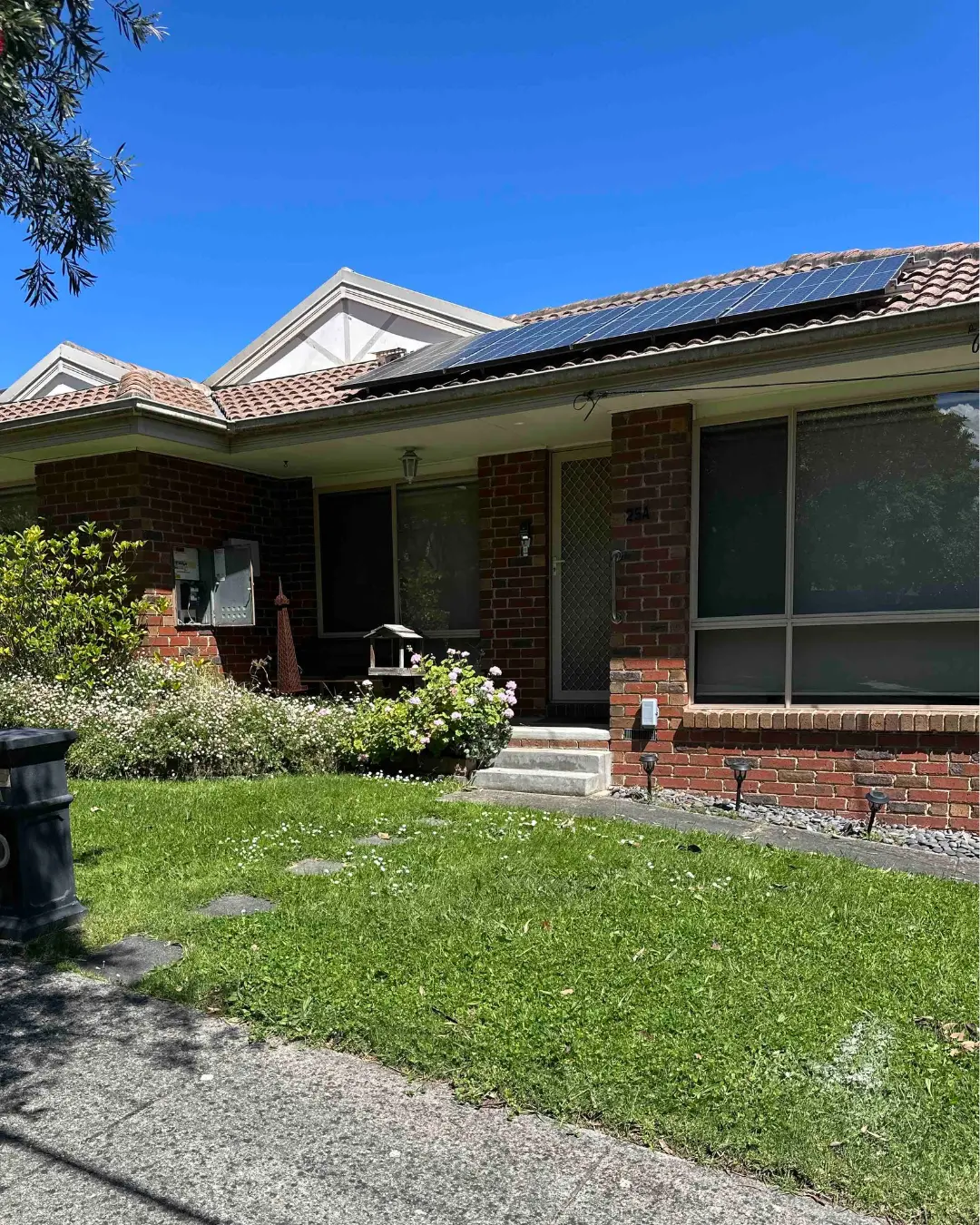
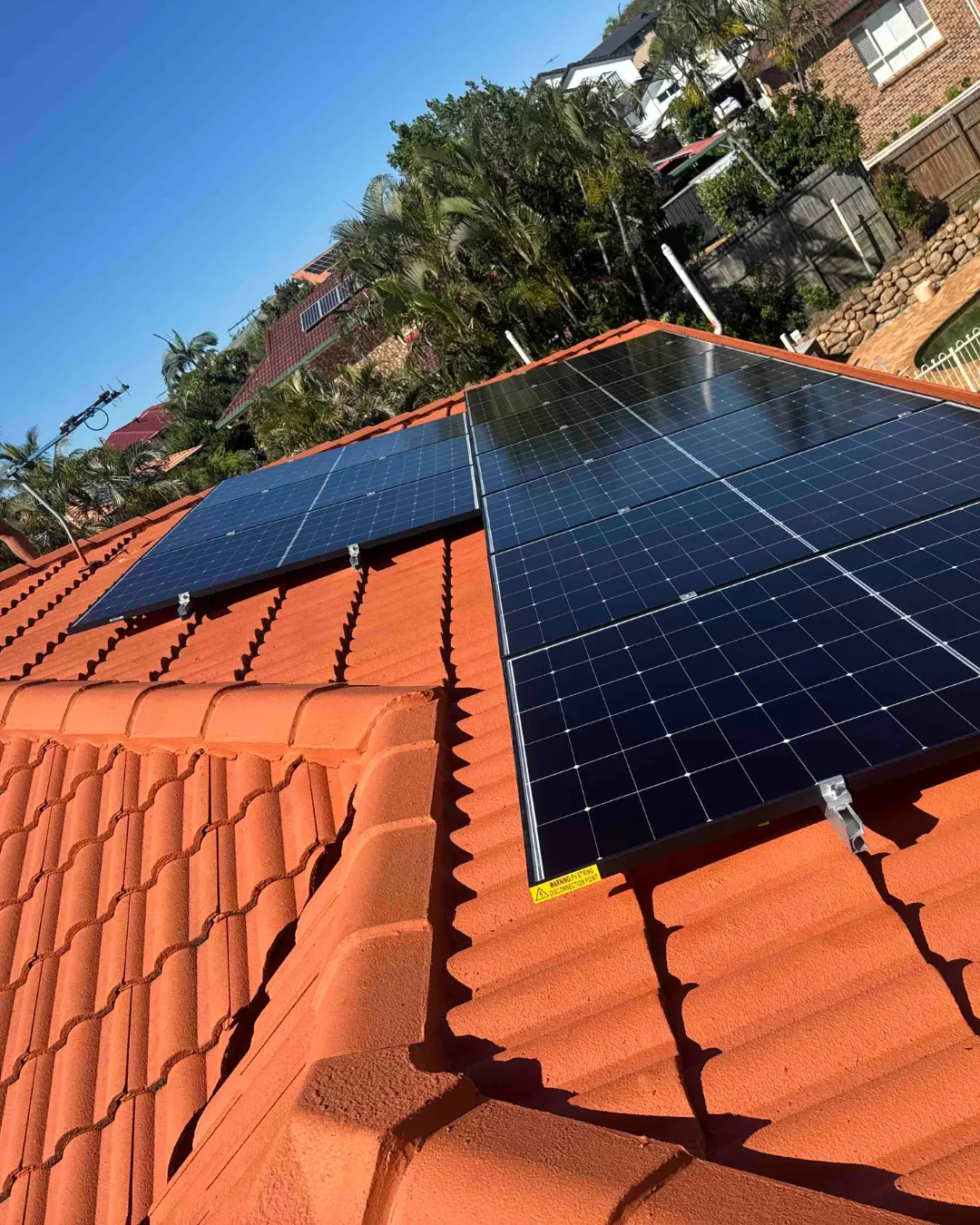
Solar panels help you take control of your energy. By producing your own clean power, you can rely less on the grid, reduce your electricity bills and feel more confident about future energy costs.
They’re designed to work efficiently in Australian conditions and can be combined with battery storage to give your home even more energy freedom, day and night.
Home Batteries
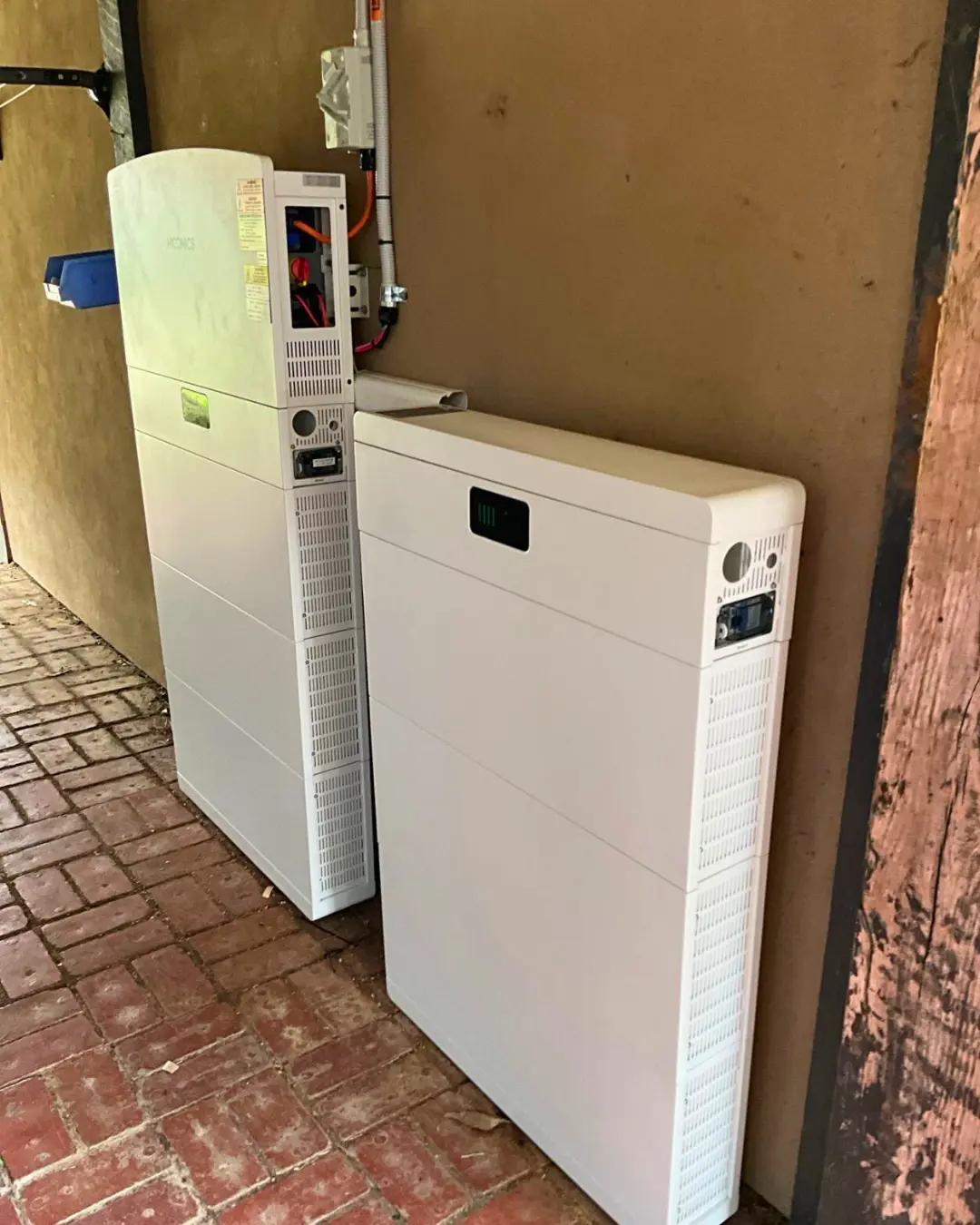
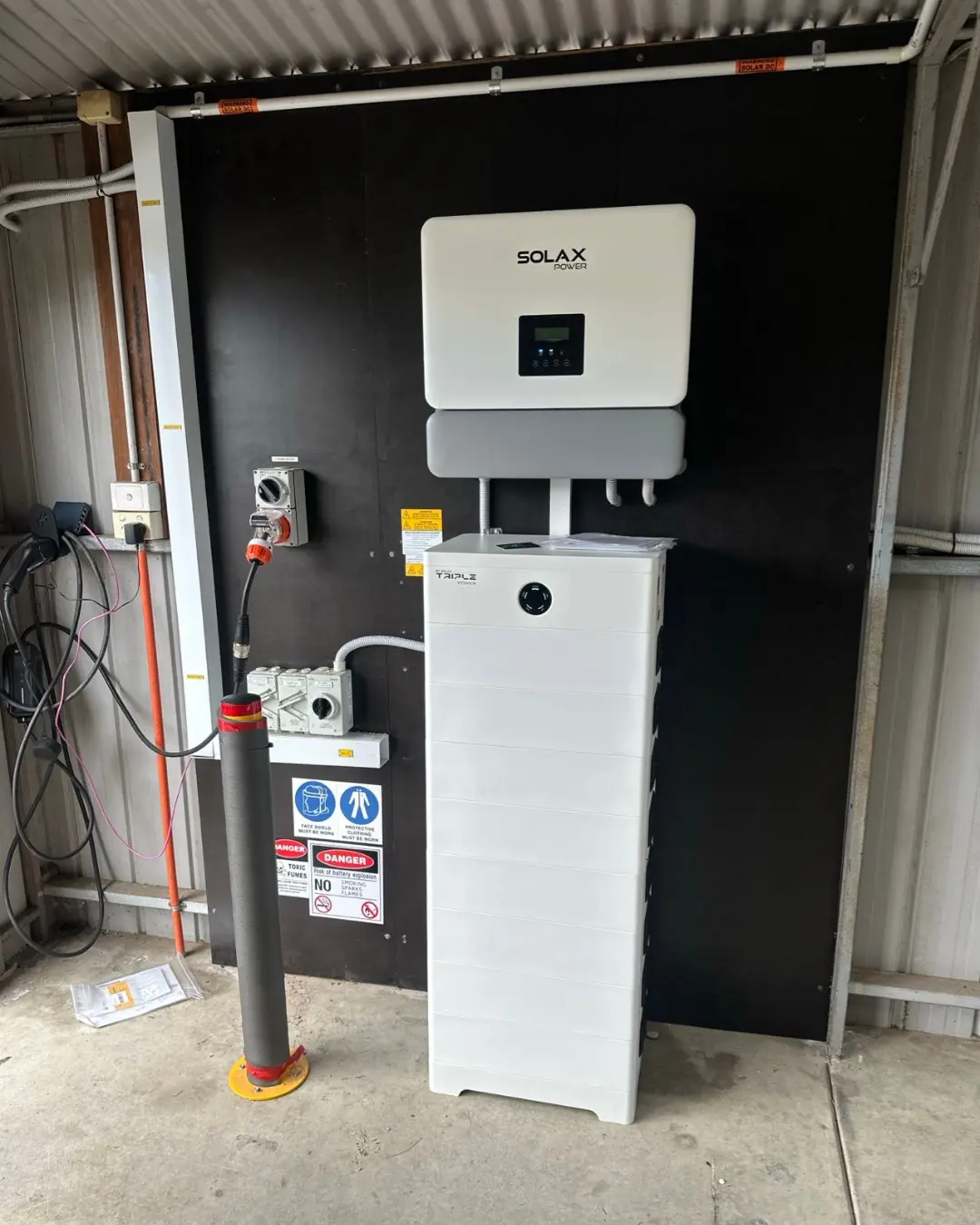
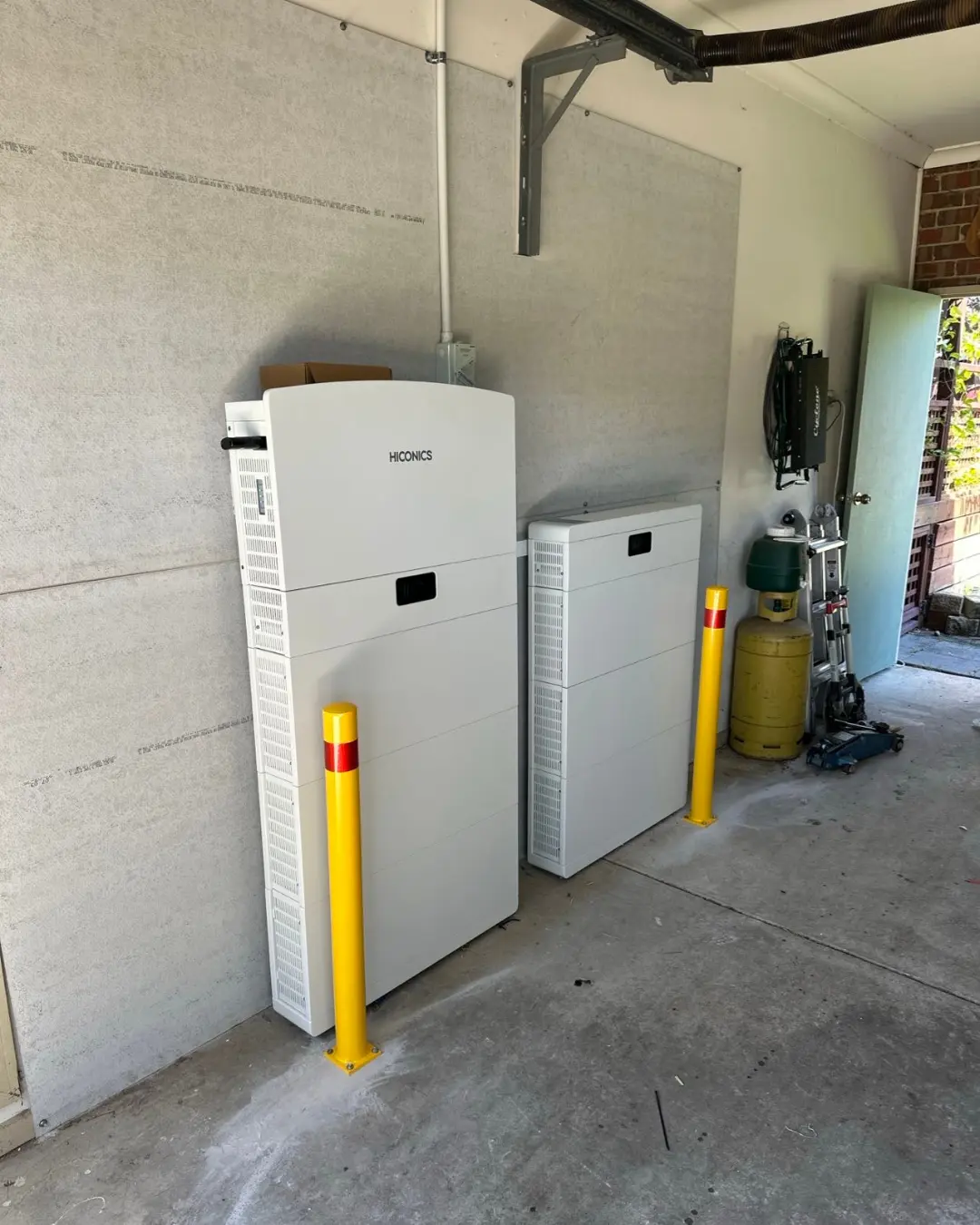
Home batteries take your energy independence even further. They store the clean power your solar panels generate during the day, so you can use it at night, during peak times or when electricity prices are higher.
This means less energy wasted, more control over when and how you use it, and greater savings on your power bills, all while giving you peace of mind and energy security. chemistry, compact and flexible installation options.
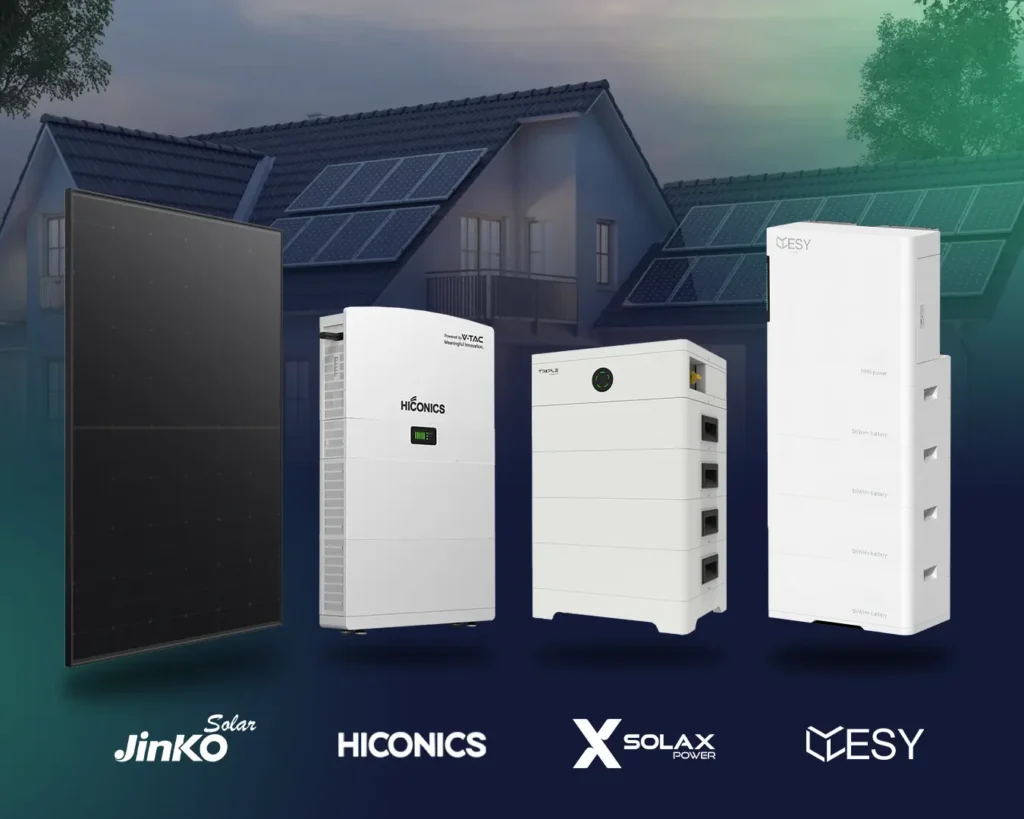
Let’s get you energy independent, so you pay your bundle off instead of your electricity bill. Invest in yourself, instead of the energy retailers
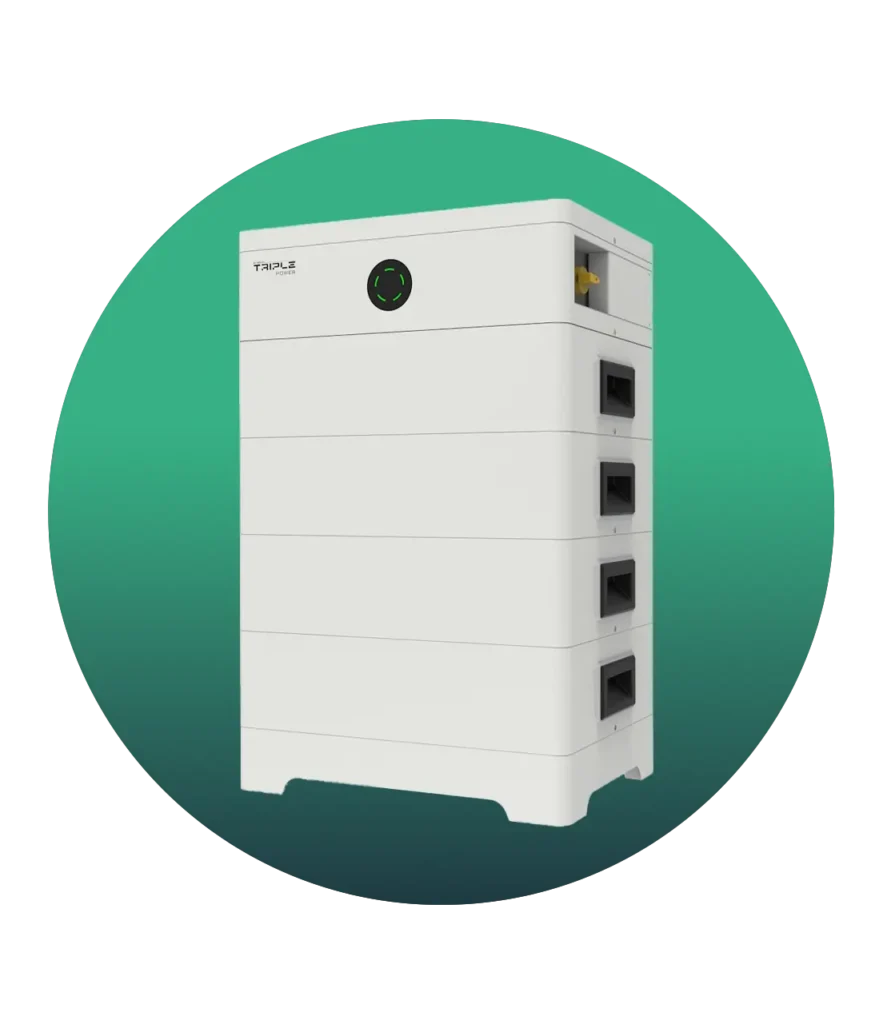
SOLAX BATTERY
- Remote fault diagnosis, upgrade and maintenance
- Unique battery heating tech for low-temperature operation
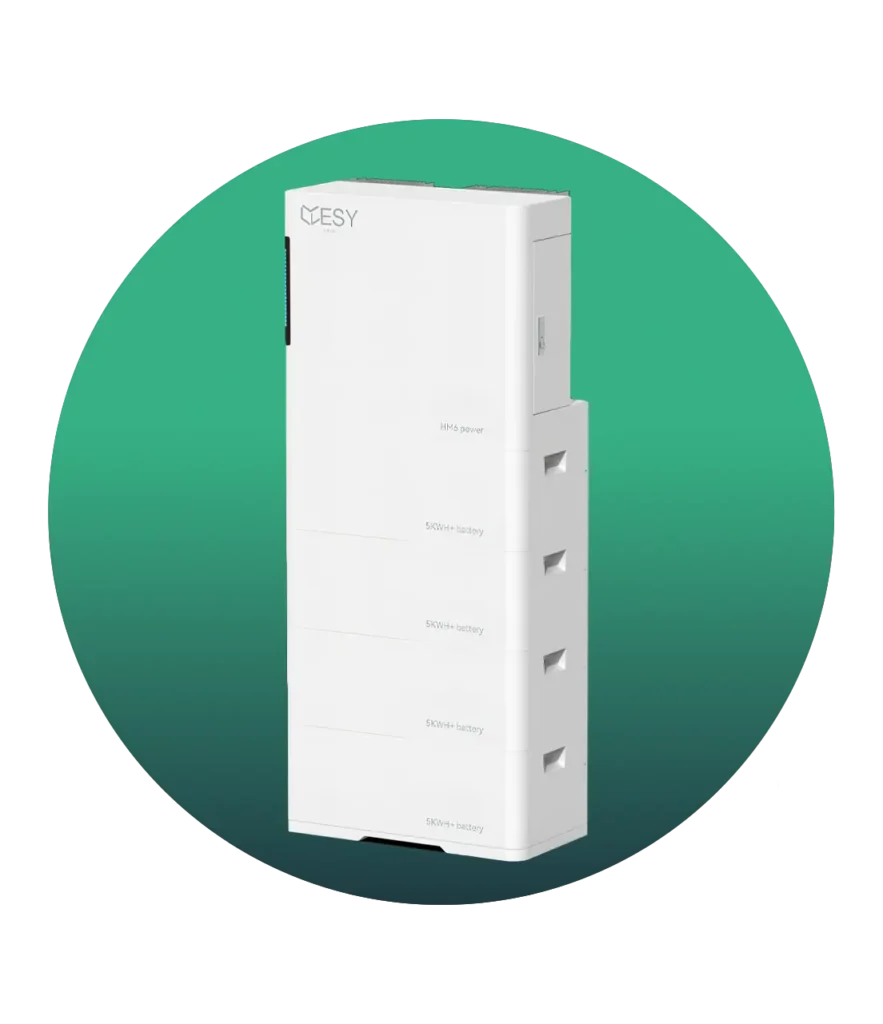
ESY BATTERY
- AI-Optimized Efficiency
- Automatically adapts between off-grid and grid-connected modes for stable power.

POTIS EDGE BATTERY
- Quick plug design for easy transport and installation.
- Multi-level protection: Three way battery pack protection.
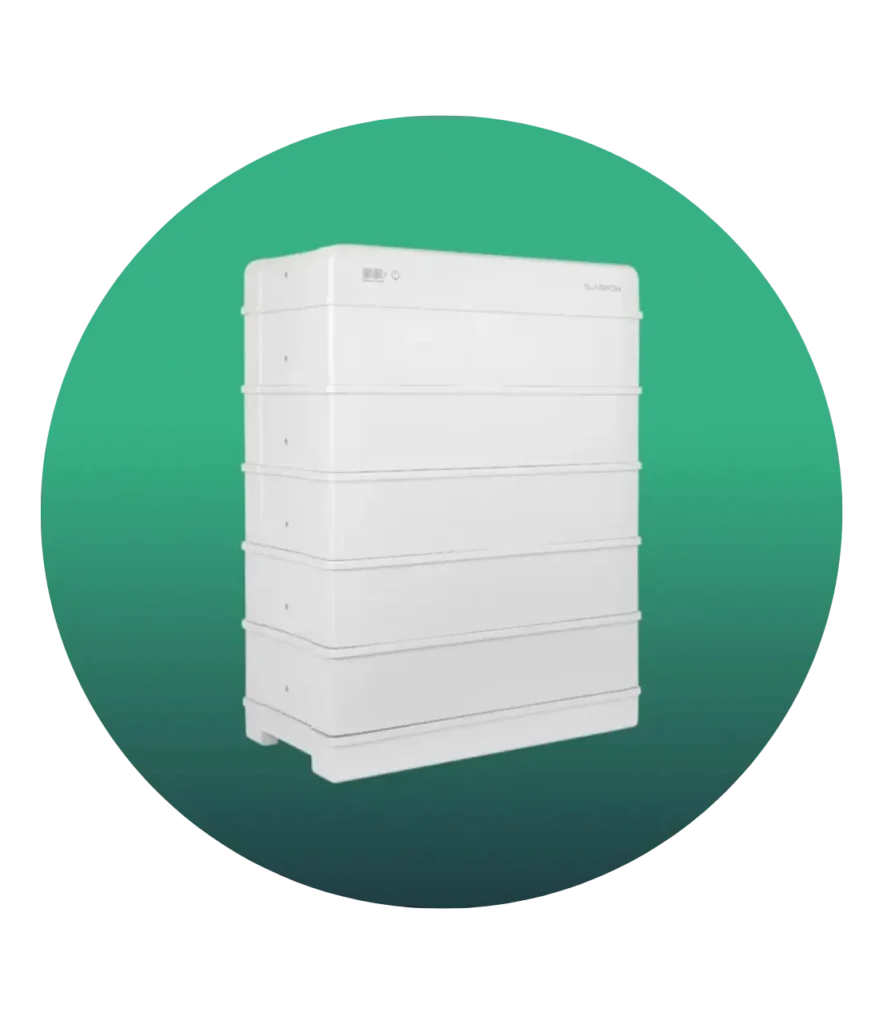
SUNGROW BATTERY
- Lithium iron phosphate Battery
- Extendable during lifetime: Support 2-8 modules per uni
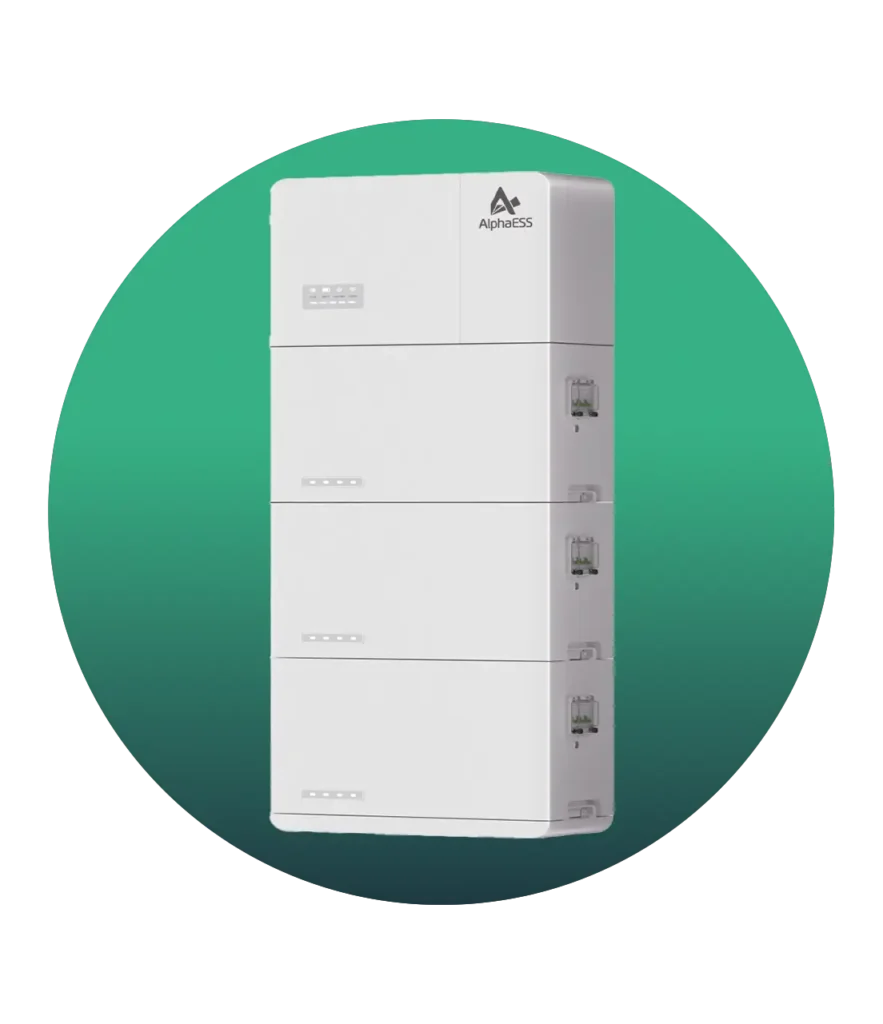
ALPHA ESS BATTERY
- Ultra Quiet: Operates at a low noise level (below 35 dB)
- Stackable Design: Allows for quick setup and easy expansion of the system.
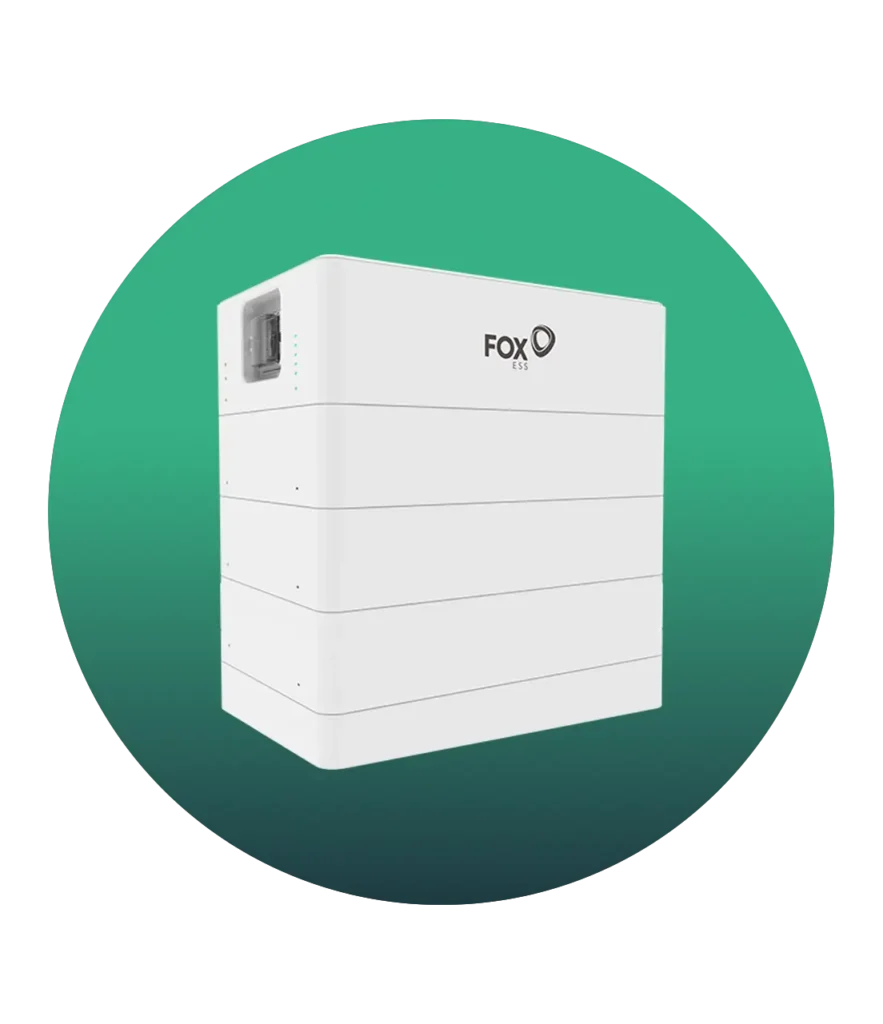
FOX ESS SOLAR BATTERY
- High efficiency (>95%)
- Long lifespan – over 6,000 cycles
- IP65 protection (model dependent)

ANKER SOLAR BATTERY
- Excellent safety and optimization performance.
- 24/7 instant backup power.
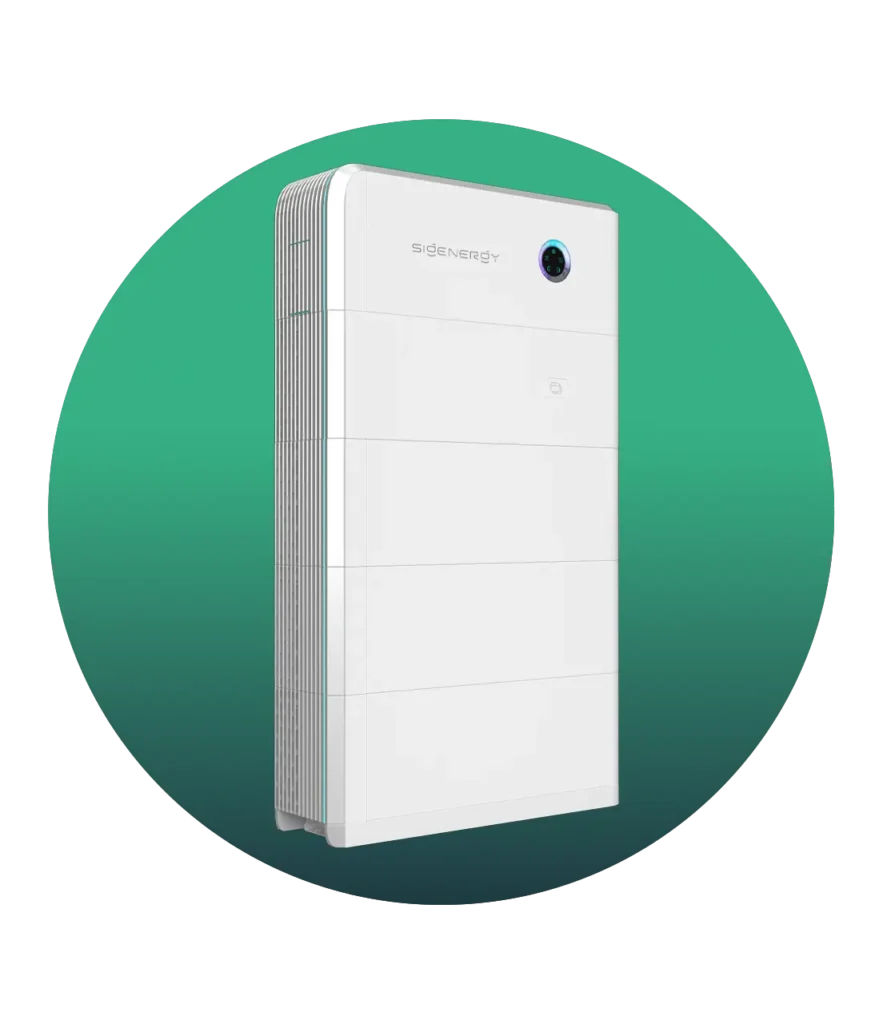
SIGENERGY SOLAR BATTERY
- Multi-layer full battery safety protection
- Visible battery status on mySigen App
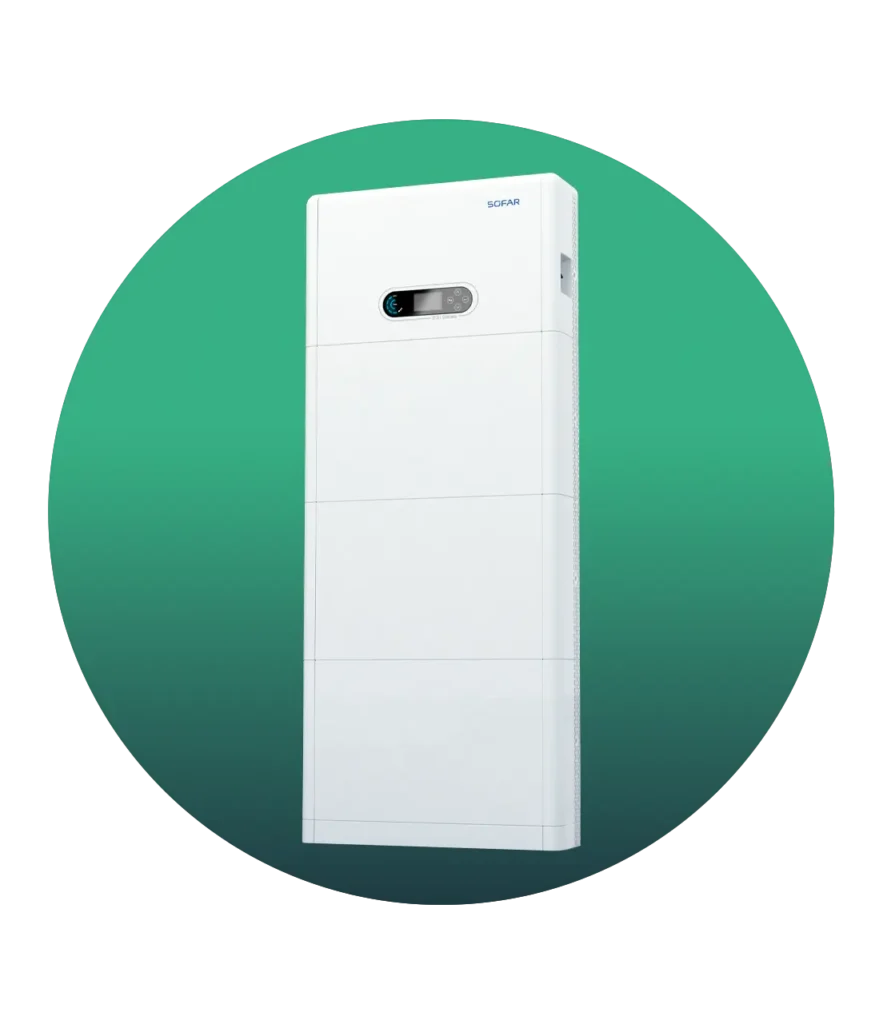
SOFAR POWERALL
- Modular and integrated design for easy transportation and installation.
- Flexible battery capacity expansion.
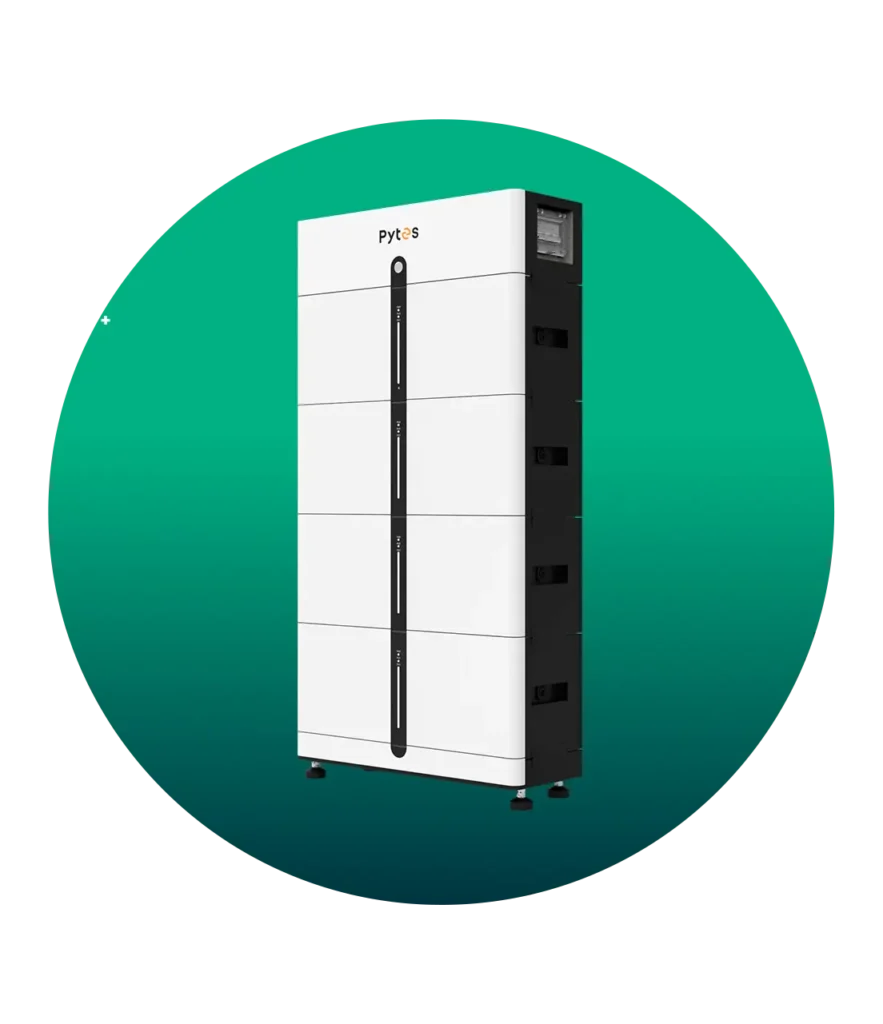
PYTES BATTERY
- IP55-rated enclosure: waterproof and dustproof.
- Real-time monitoring through Pytes’ Smart Monitor.

GOODWE BATTERY
- Friendly & Thoughtful Design
- Reliable LFP technology with high cycle stability

6.6KW JINKO OR CANADIAN SOLAR SYSTEM
- Tier 1 Solar Panels with 25 years warranty
- Hybrid WIFI enabled inverter with 10 years warranty
10KW JINKO OR CANADIAN SOLAR SYSTEM
- Tier 1 Solar Panels with 25 years warranty
- Hybrid WIFI enabled inverter with 10 years warranty
13.5KW JINKO OR CANADIAN SOLAR SYSTEM
- Tier 1 Solar Panels with 25 years warranty
- Hybrid WIFI enabled inverter with 10 years warranty
Should you add more solar panels or a bigger battery?
When adding more solar panels makes sense:
Your household uses most electricity during the day (e.g. air-con, pool pump, cooking, EV charging).
You want to maximize self-consumption and minimize grid import during daylight.
You don’t expect big nightly loads, or you’re not worried about blackout backup.
When adding or upgrading the battery makes sense:
Much of your electricity use is in the evening/night.
You want backup during outages, or plan to electrify more of your home.
Feed-in tariffs are low (so exporting excess solar gives little return), making storage/self-consumption more valuable.
You value energy independence and long-term resilience (especially if electricity prices rise).
Frequently Asked Questions
“Off-grid” means your home is not connected to the main electricity network. Instead, all your power comes from your own solar panels + battery (and possibly a generator). Off-grid homes are fully self-reliant for electricity, useful in remote areas or if you want total energy independence.
- You have decent roof space, orientation and sun exposure (north or north-east facing is ideal).
- Your electricity bills are consistently high or rising, solar helps cut them.
- You use electricity during the day (AC, hot water, appliances), or you plan to shift loads to daytime.
- You want long-term savings and protection against increasing electricity costs.
- You care about reducing your carbon footprint and increasing energy resilience (e.g. blackouts, grid instability).
Adding a battery can be a smart investment if:
- You have high electricity usage in the evening or at night
- You experience frequent blackouts
- Your feed-in tariff is low or declining
- You want to increase energy self-sufficiency
- You're installing a new solar system and want to future-proof your energy setup
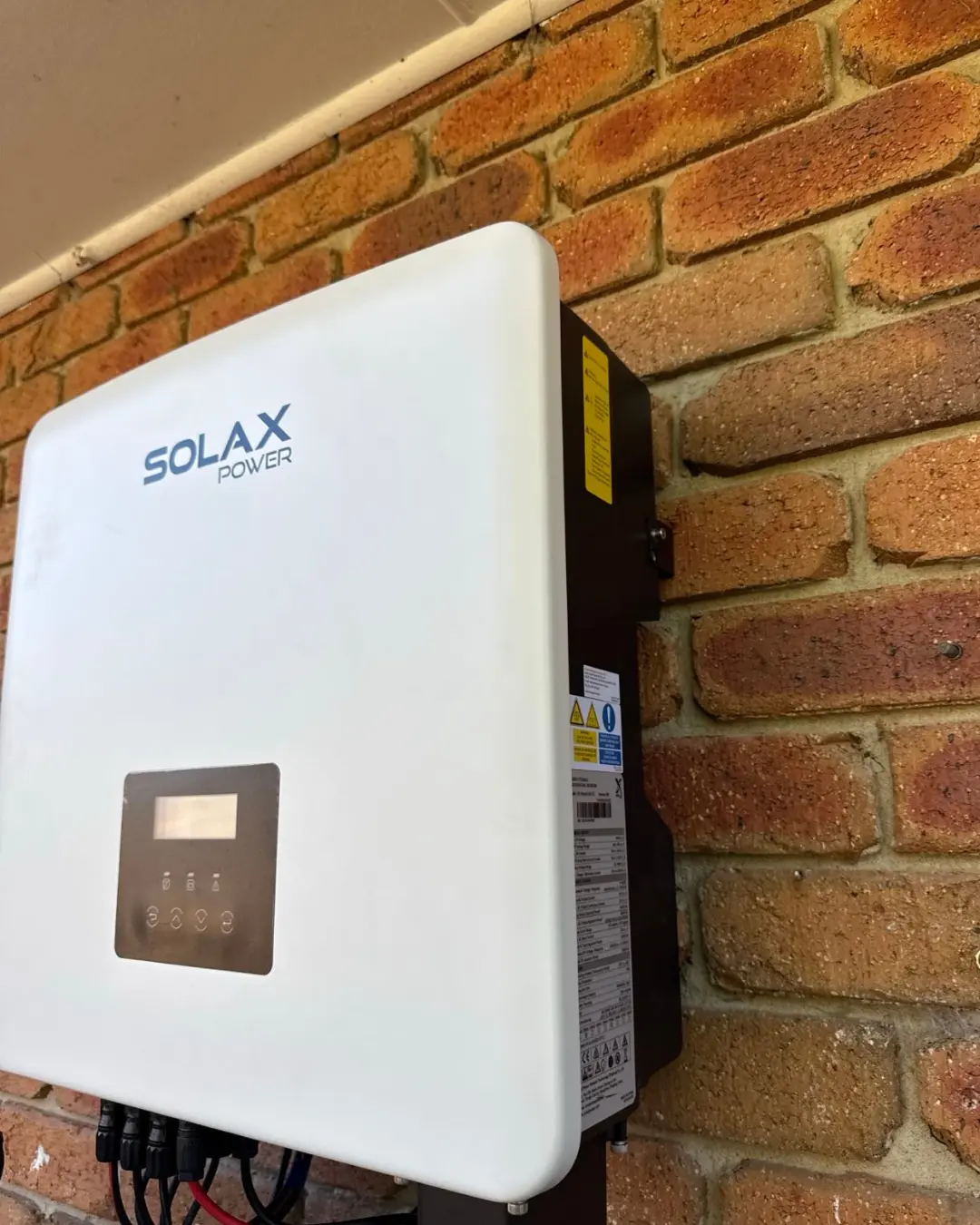
A solar inverter is basically the “brain” of your solar system.
It takes the energy your solar panels produce (DC power) and turns it into the energy your home can actually use (AC power).
- It protects your system:
It detects faults, shuts things down when needed, and keeps everything running safely. - It decides how much usable energy you get:
A good inverter = more efficiency = more savings. - It impacts your long-term performance:
The inverter is usually the first part that needs replacement, so choosing a good one is key. - It helps you monitor your system:
Most inverters have apps that show your production in real time. Super handy!
A standard household uses roughly 20kWh of electricity per day, which means a 6.6kW solar system (around 15 panels) can cover most of that demand. This system usually needs about 35m² of roof space, roughly a 7m x 5m area.
When your solar battery reaches full charge, any extra solar energy is either exported to the grid for credits or redirected to other uses, such as heating water or air. The system doesn’t stop generating power, the inverter and charge controller simply divert the excess so the battery isn’t overcharged. In most grid-connected setups, the surplus is sent back to the electricity grid.
- How much can I save using solar
- What financing options do you offer?
- What is the estimated energy production for my roof orientation?
- What is the projected payback period and ROI?
- Can I easily add battery storage or expand the system later?
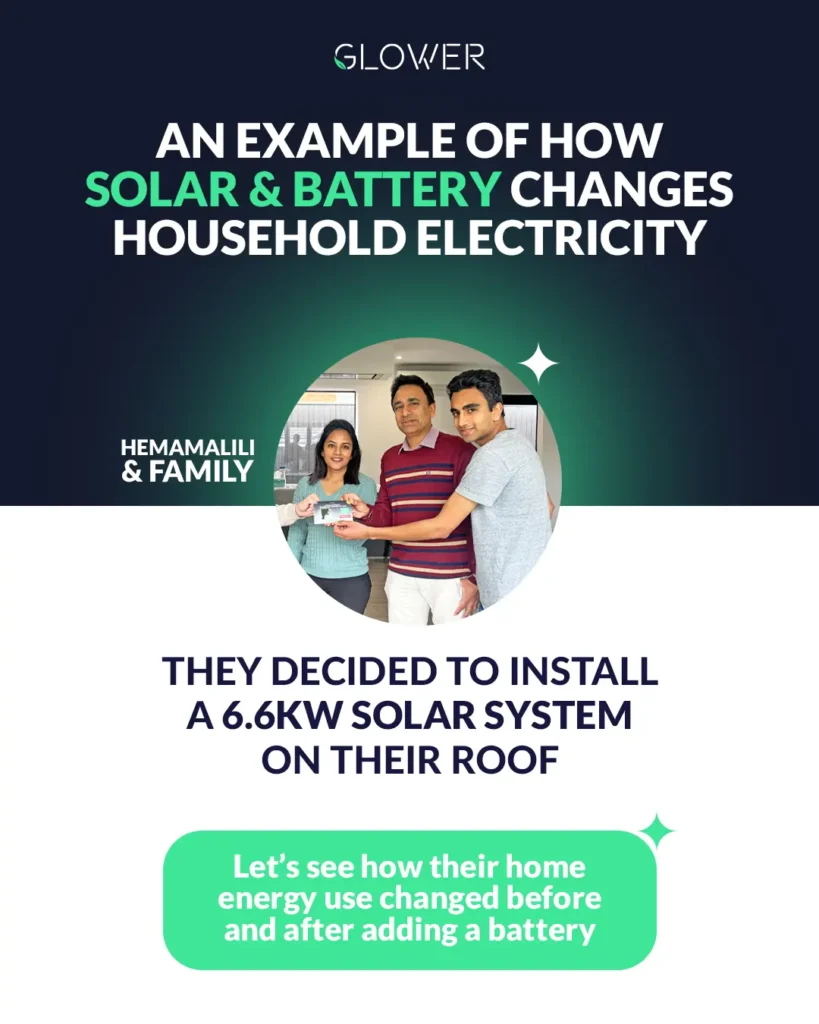
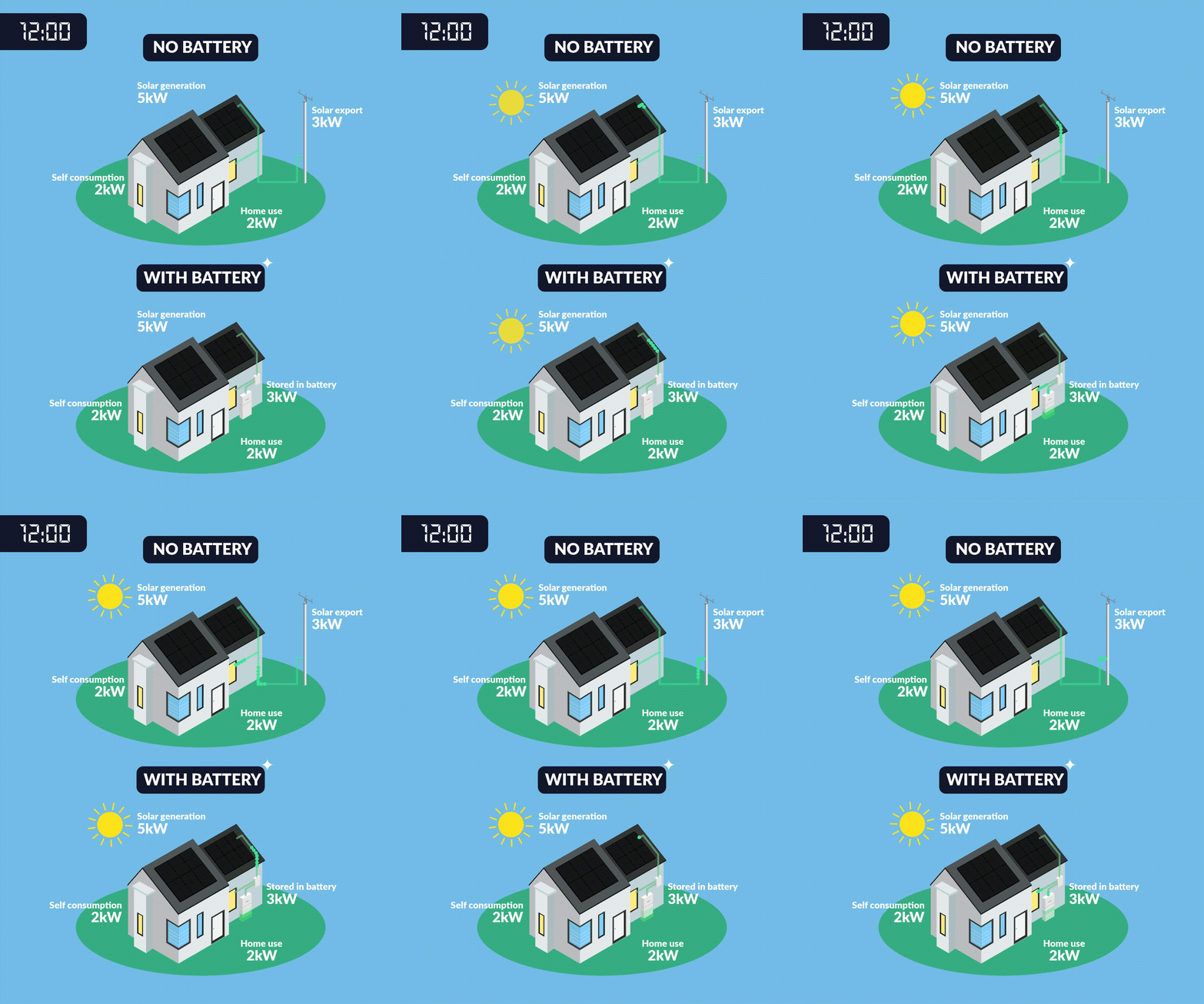
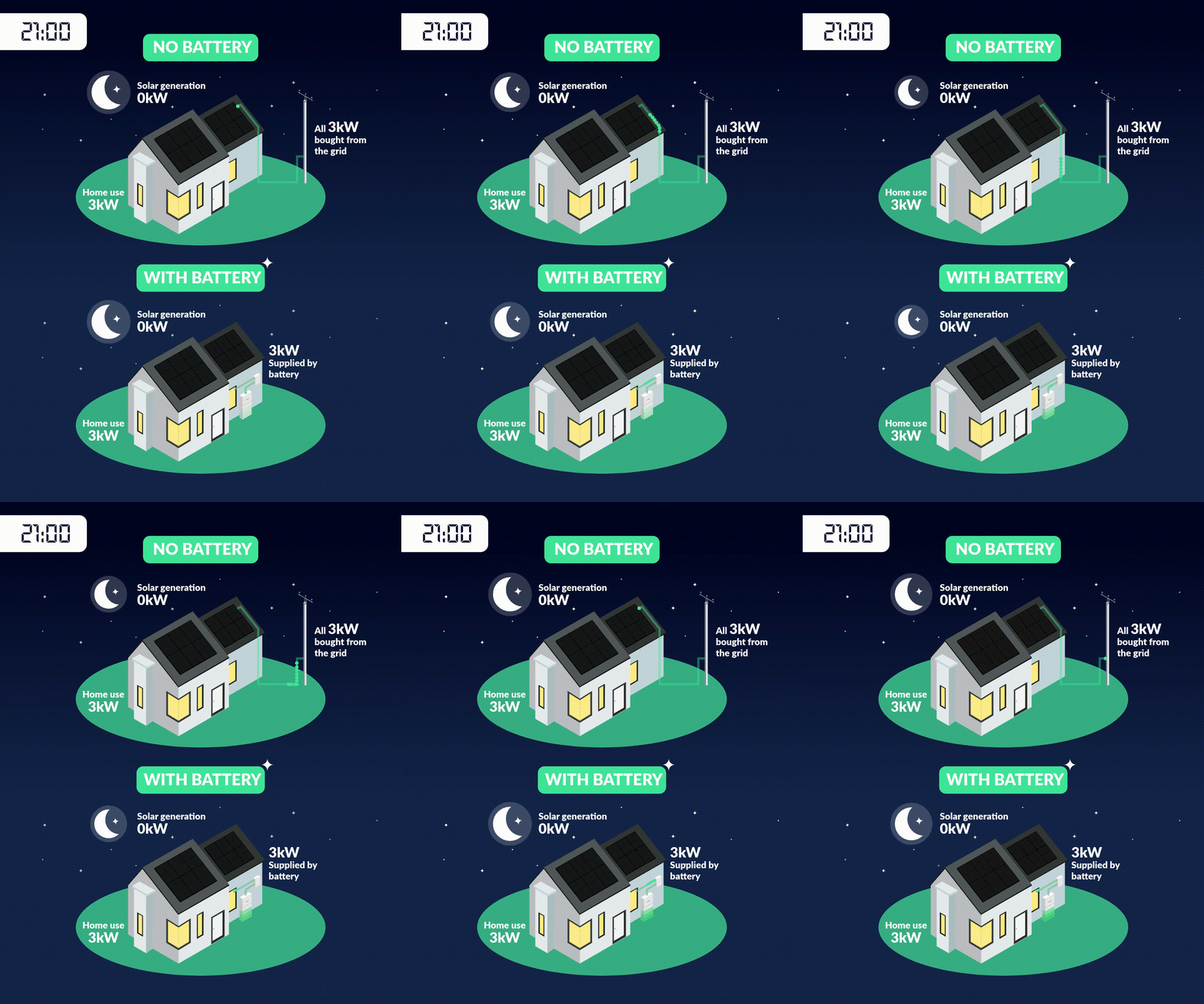
THIS IS HOW A SOLAR & BATTERY SYSTEM WORKS
Have you ever wondered what the real difference is between having a battery and not?
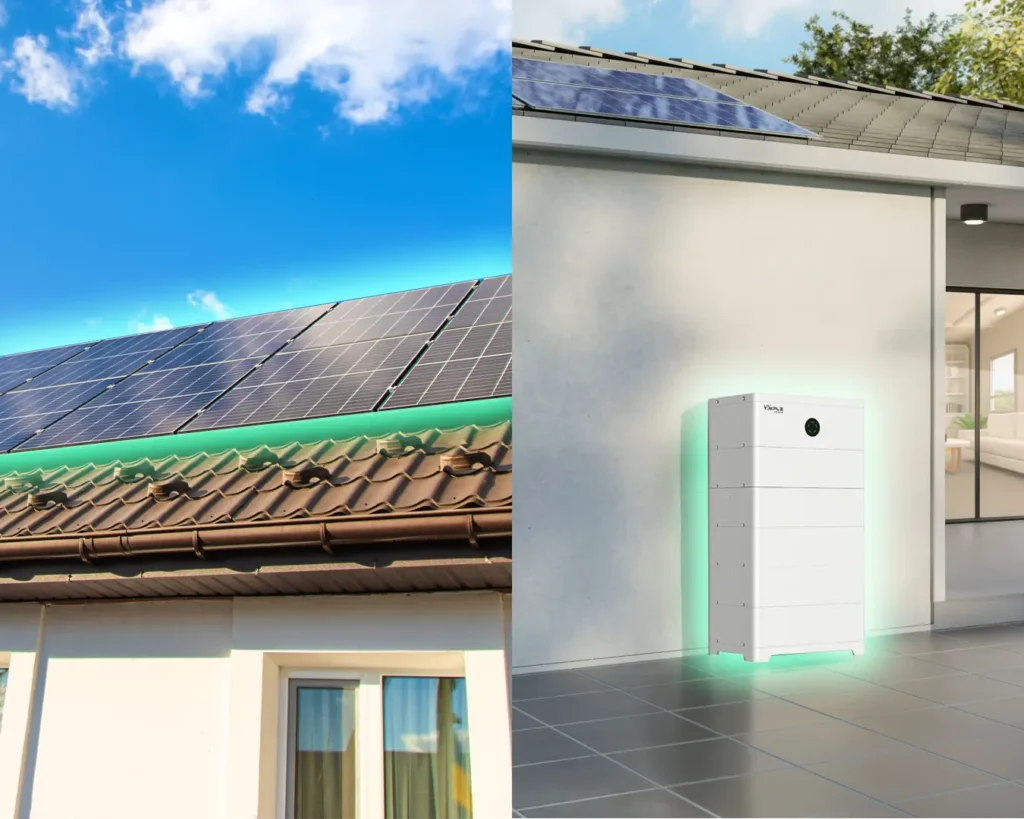
By installing a battery, excess solar energy is stored instead of being fed into the grid. At night, your home runs on stored solar energy, not expensive grid electricity.
Discover how much you can save with solar energy and batteries
INSTALLATION HIGHLIGHTS